
Transmission Overhaul
Transmission overhaul refers to the process of disassembling, cleaning, inspecting and rebuilding a vehicle’s transmission. This type of repair is usually required when the transmission is experiencing problems such as slipping, hard shifting or leaks and is not responding to minor repairs such as fluid and filter changes.

The transmission is a complex system of gears, clutches and other components responsible for transmitting power from the engine to the drive wheels. Over time, these components can become worn or damaged, causing transmission problems.
The transmission overhaul process typically includes the following steps:
Diagnosis: The first step in transmission overhaul is to properly diagnose the problem. This may include the use of diagnostic tools such as code readers, pressure gauges and scan tools, as well as visual inspection of the transmission and its components.
Removal: Once the problem has been identified, the next step is to remove the transmission from the vehicle. This can be a complex and time-consuming process that requires specialized tools and expertise.
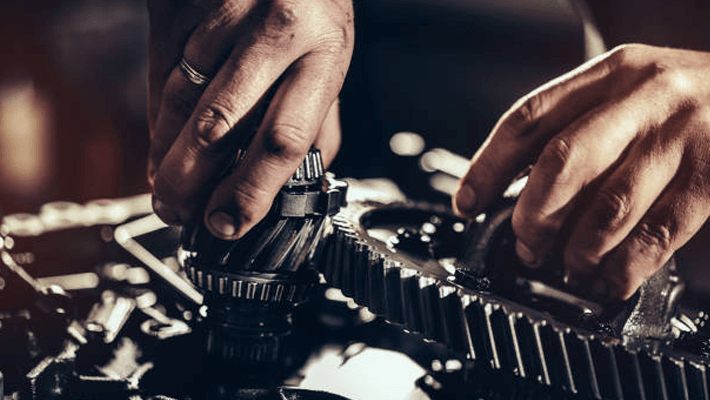
Disassembly: After the transmission is removed, it will be disassembled to access the internal components. This may include removing the gearbox, gears, shafts and other parts.
Inspection and cleaning: Removed components will then be thoroughly inspected for wear, damage and other issues. Any residue or buildup will be cleaned from the components before reassembly.
Repair or replacement: Depending on the extent of the damage, damaged or worn components may be repaired or replaced. This may include replacing worn gears, bearings and gaskets or rebuilding transmission clutches.
Reassembly: After repairs or replacements have been made, the transmission will be reassembled and the transmission case resealed.
Testing and adjustment: After the transmission is reassembled, it will be tested to ensure smooth shifting and no leaks. Necessary adjustments will be made at this time.
Final Inspection: After the transmission has been tested and adjusted, a final visual inspection will be done to make sure everything is properly assembled and there are no leaks or other issues.
It is important to remember that transmission maintenance is a complex and time-consuming process that requires specialized tools, knowledge and experience. It is best to leave the job to a professional mechanic with the expertise and experience to properly diagnose and repair transmission problems. Skipping or delaying regular transmission maintenance can lead to more serious and costly repairs in the future.
What Kind of Situations Is Transmission Overhaul Done?
A transmission overhaul is typically done when the transmission is experiencing problems such as:
Slippage: If the transmission shifts out of gear while driving, it may be a sign that the transmission is worn or damaged and needs an overhaul.
Hard shifting: If the transmission shifts hard or abruptly, this may be a sign of internal wear or damage and may need an overhaul to be repaired.
Leaks: If transmission fluid is leaking, this may indicate a problem with gaskets or other components that need overhaul to be repaired.
Noise: Unusual noises or vibrations from the transmission may also indicate a problem that requires revision to repair.
Warning lamps: Illumination of the transmission warning lamp may indicate a problem that requires revision to be repaired.
Loss of power: If the vehicle is losing power or not accelerating properly, it may be a sign that the transmission needs an overhaul.
Warning signs such as shifting gears, squeaking or no gear shifting are signs that the transmission needs an overhaul.
It is important to remember that a revision may not always be necessary, a proper diagnosis must be made before any repairs are made, and repairs should be done by a trained professional. Regular maintenance, such as transmission fluid changes, can help prevent more serious transmission problems and extend the life of the transmission.
- Engine Mechanical Repair
- Periodic Maintenance
- Transmission Overhaul
- DSG Card Repair
- Mechatronics Repair
- Software Update
- Adaption
- Engine Overhaul
- Paint
- Body Repair
- Dent Repair
- Paintless Dent Repair
- Body Paint
- General Service
- Vehicle Performance Increase
- Turbo Overhaul
- Suspension System
- Paint Protection
- Original Spare Parts
- Roadside Assistance