
Engine Overhaul
Engine overhaul is a comprehensive rebuilding process to bring an engine to its optimum condition. It is a complex and technical process that requires specialized knowledge and tools. Engine overhaul is done to restore power and efficiency, fix engine problems or extend engine life.

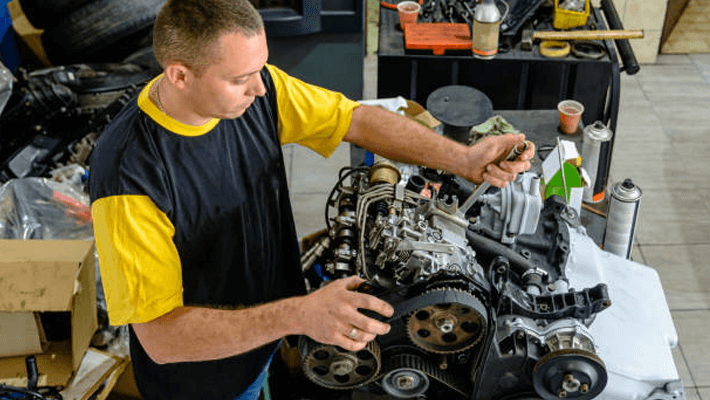
The engine overhaul process begins with engine disassembly. This includes removing all major components such as the cylinder head, pistons and connecting rods. Each component is then thoroughly inspected for wear, damage and other issues. This allows the mechanic to identify issues that need to be addressed during the overhaul.
After inspection, all parts are thoroughly cleaned. This includes cleaning the block and cylinder head as well as all other parts. After cleaning, the mechanic can repair or replace damaged or worn components. This may include machining the cylinder walls and crankshaft, as well as replacing worn bearings, pistons, and other internal parts.
After repairs and replacements have been made, the engine is reassembled and all parts are properly torqued and adjusted. Before being refitted to the vehicle, the engine is tested and adjusted to ensure correct and efficient operation.
It is important to remember that engine overhaul can be a costly and time consuming process and should only be done by a skilled and experienced mechanic. Skipping regular maintenance or delaying necessary repairs can lead to more serious and costly repairs in the future.
As a result, engine overhaul is a comprehensive rebuilding process to bring an engine to its optimum condition. It is a complex and technical process that requires specialized knowledge and tools.
In Which Situations Is Engine Overhaul Performed?
An engine overhaul is typically performed when:
High mileage: Engines can experience wear and tear over time, and as a vehicle’s mileage increases, so does the likelihood of internal engine damage. Engine overhaul may be required to restore engine power and efficiency and extend its life.
Loss of power: If a vehicle’s engine is losing power, it may be due to internal engine damage or wear. Engine overhaul may be required to restore engine power and efficiency.
Poor fuel economy: If a vehicle’s fuel economy has decreased significantly, it may be due to internal engine damage or wear. Engine overhaul may be required to restore engine efficiency and improve fuel economy.
Engine noise: If a vehicle’s engine is making unusual noises, it may be due to internal engine damage or wear. Engine overhaul may be required to fix the problem and restore engine performance.
Regular Maintenance: Regular maintenance is essential for the longevity of an engine. Overhauling an engine can be done as part of regular maintenance to keep the engine running at its best.
It is important to remember that an engine overhaul should be done by a professional mechanic with the necessary knowledge, tools, and experience because incorrect engine overhaul can damage the engine or adversely affect its performance and safety.
As a result, an engine overhaul is typically done in situations such as high mileage, loss of power, poor fuel economy, engine noise, and regular maintenance. It is important to have a professional mechanic with the necessary knowledge, tools and experience to perform the engine overhaul process.
- Engine Mechanical Repair
- Periodic Maintenance
- Transmission Overhaul
- DSG Card Repair
- Mechatronics Repair
- Software Update
- Adaption
- Engine Overhaul
- Paint
- Body Repair
- Dent Repair
- Paintless Dent Repair
- Body Paint
- General Service
- Vehicle Performance Increase
- Turbo Overhaul
- Suspension System
- Paint Protection
- Original Spare Parts
- Roadside Assistance