
Adaption
Adaptation refers to the process of adjusting or modifying a system or device to better suit a particular environment or task. In the context of vehicles, adaptation refers to the process of adjusting various systems within the vehicle to optimize the vehicle’s performance, safety and functionality.

Adaptation can be done by various methods such as reprogramming electronic control units (ECU) or updating software. This process enables the vehicle to better suit the driver’s needs and preferences or meet the requirements of different environments or conditions.
For example, a vehicle’s adaptation process may involve tuning the suspension to improve handling and stability, or reprogramming the engine control unit (ECU) to improve fuel efficiency. Other examples might include adjusting the vehicle’s transmission, stability control and other advanced safety features.
Adaptation may also include updating the software of the vehicle’s infotainment system, navigation system and other electronic systems. This can improve the overall user experience by adding new features, fixing bugs and improving system performance.
Adaptation is an important aspect of maintaining a vehicle’s performance, safety and functionality. Regular updates and tweaks can help optimize the vehicle’s performance, increase its safety, and improve its functionality.
It is important to note that adaptation should only be done by trained professionals with the necessary knowledge, tools and experience. Improper adaptation can damage the vehicle or adversely affect its performance and safety.
Ultimately, adaptation is the process of adjusting or changing a vehicle’s systems to better suit a situation.
What Kind of Changes Will Happen to the Vehicle After Adaptation?
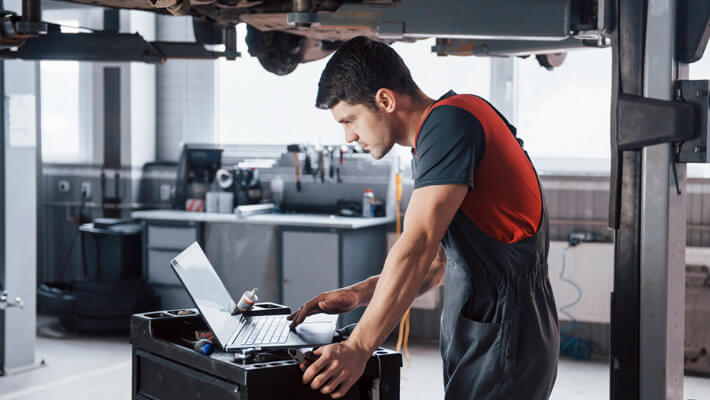
The specific changes that will occur to a vehicle after adaptation will vary depending on the nature of the adaptation and the systems being adjusted or modified. However, some common changes that can occur as a result of adaptation include:
Improved performance: Adaptation can help optimize vehicle performance, such as increased horsepower, torque and fuel efficiency.
Enhanced safety: Adaptation can improve vehicle safety by adjusting or replacing systems such as transmission, stability control and enhanced safety features.
Better functionality: Adaptation can increase the functionality of the tool by adding new features, improving the performance of existing features, and fixing bugs or glitches.
Improved user experience: Adaptation can improve the overall user experience by updating the software of the vehicle’s infotainment, navigation system and other electronic systems.
Customization: Adaptation can also be used to customize the vehicle to better suit the driver’s needs and preferences, such as adjusting the suspension for a more comfortable ride or reprogramming the ECU for better fuel efficiency.
More accurate and efficient systems: By adapting the vehicle’s systems, the vehicle will be able to react more efficiently and accurately to different situations and conditions.
It is important to remember that adaptation can also have negative effects if not done correctly. Therefore, it is best to have a professional mechanic with the knowledge, experience and the right tools to carry out the adaptation process.
- Engine Mechanical Repair
- Periodic Maintenance
- Transmission Overhaul
- DSG Card Repair
- Mechatronics Repair
- Software Update
- Adaption
- Engine Overhaul
- Paint
- Body Repair
- Dent Repair
- Paintless Dent Repair
- Body Paint
- General Service
- Vehicle Performance Increase
- Turbo Overhaul
- Suspension System
- Paint Protection
- Original Spare Parts
- Roadside Assistance