
Paint
Paint is a liquid or semi-solid coating applied to protect a surface from the elements and improve its appearance. It consists of a mixture of pigment, binder and solvent and is applied to a surface using a brush, roller or spray gun.Boya, otomotiv, endüstriyel ve mimari dahil olmak üzere çeşitli uygulamalarda kullanılır. Otomotiv endüstrisinde boya, arabaların, kamyonların ve diğer araçların görünümünü korumak ve güzelleştirmek için kullanılır. Otomotiv boyası tipik olarak renk olan bir baz kattan ve parlak bir son kat sağlayan ve baz katı koruyan bir şeffaf kattan oluşur.

There are different types of automotive paint available, each with their own characteristics and uses. Some examples include:
Acrylic paint: This type of paint dries quickly and is easy to apply. It is also resistant to fading and chalking and is the most widely used paint in the automotive industry.
Enamel paint: This type of paint dries slower and is more durable than acrylic paint. It is also resistant to fading and chalking and is often used in industrial and heavy-duty vehicles.
Urethane paint: This type of paint is more durable than acrylic or enamel paint and resists fading and chalking. It is also more resistant to chemicals and abrasion and is often used in high-performance and luxury vehicles.
Water-based paint: This type of paint is more environmentally friendly and has less odor than solvent-based paints. It is also easy to apply and dries quickly, but may not have the same durability as other types of paint.
After all, paint is a liquid or semi-solid coating applied to protect a surface from the elements and improve its appearance. It consists of a mixture of pigments, binders and solvents and is used in a variety of applications including automotive, industrial and architectural.
How to Paint?
Painting a surface can be a complex process that requires proper preparation, materials and techniques. The specific steps will vary depending on the type of paint, the surface to be painted and the desired result, but the general process is as follows:
Surface preparation: The first step in painting is to prepare the surface. This includes thoroughly cleaning the surface, removing any loose paint, rust or dirt. It is important to use the right cleaning products and tools for the type of surface you are working on. Sanding the surface is also an important step in surface preparation to make sure the surface is smooth and even.
Masking and taping: After the surface has been cleaned and sanded, mask and tape off areas that should not be painted. This includes windows, flooring, and any other areas you want to keep paint-free.
Priming: After the surface is prepared and masked, a coat of primer is applied. This helps seal the surface and provides a better surface for paint to adhere to. Make sure you use the correct primer for the type of paint and the surface you are working on.
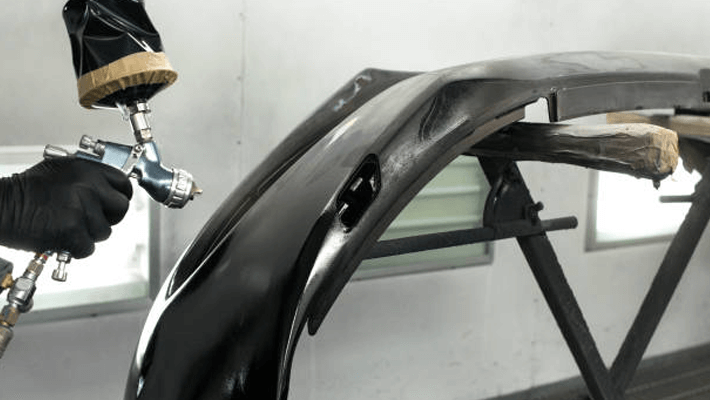
Painting: After the primer has dried, it’s time to start painting. Shake or mix the paint well before applying. Use a brush, roller or spray gun to apply the paint. Make sure you use the right techniques and tools to achieve the desired finish.
Cleaning and touch-ups: When painting is finished, allow the paint to dry completely.
- Engine Mechanical Repair
- Periodic Maintenance
- Transmission Overhaul
- DSG Card Repair
- Mechatronics Repair
- Software Update
- Adaption
- Engine Overhaul
- Paint
- Body Repair
- Dent Repair
- Paintless Dent Repair
- Body Paint
- General Service
- Vehicle Performance Increase
- Turbo Overhaul
- Suspension System
- Paint Protection
- Original Spare Parts
- Roadside Assistance